





It’s late in the evening. The house is quiet, the family gathered together in the living room, each of them trying in their own way to process what has just happened.
You and your colleague arrive with the intention of carrying out your work with dignity, calmness and respect. But the moment you step into the hallway, you see what so many removal teams around the world recognise instantly.
A corridor that is barely wide enough for two people. A staircase that twists too tightly. A corner that leaves you almost no space at all.

And you know straight away: This is going to be a difficult one. The mortuary cot feels solid and dependable in the right setting. In hospitals and care homes, it does exactly what it was built to do.
But in many homes around the world, it suddenly becomes something else entirely. Heavy, rigid and unforgiving in places that simply weren’t designed for it.
1. Damage no one ever intends, but that happens far too easily
Navigating a cot or stretcher through a narrow hallway or around a bend in the stairs demands absolute precision. One slight shift, one moment where the weight pulls unexpectedly, and the stretcher brushes a wall or catches a bannister.
Many homes around the world have plaster, painted spindles and soft timber that mark with even the lightest touch. For the family, already fragile and overwhelmed, a scuff or dent can feel like one more emotional blow.
And for you, it marks the start of a process you would much rather not begin. Most house damage ends up being viewed as your responsibility, even when the space leaves you no room to work safely.
2. Insurance doesn’t remove the burden
People outside the profession often assume that “the insurance will sort it”. But anyone who has handled a claim knows the reality. You, the funeral director, carry the excess. You lose time you don’t really have. Repeated claims raise questions or premiums. But more than that, it can shake the carefully built trust with the family.
And on a first call, trust is everything.
3. A moment families find emotionally difficult
There are houses where the stretcher simply cannot be turned or tilted horizontally.
In those situations, removal teams often have only one option left: raising the mortuary cot upright with the deceased still on it.

Every removal professional knows how awkward and uncomfortable that moment feels. It’s necessary, but it never feels right. And families often find it startling or even unsettling. It breaks the softness that the moment deserves. And it is an image that stays with them.
4. Back pain: The physical strain that accumulates quietly over time
One thing people rarely talk about outside the profession is the toll on the body. The lifting, bracing, correcting, steadying. The awkward angles on tight staircases. The constant pressure through the lower back and shoulders.
What starts as end-of-shift stiffness becomes, for many, a persistent ache that never fully goes away. Back issues decide careers in this industry more often than anyone admits. They determine how long someone can stay on removals before the pain becomes too much.
Families never see it. But it shapes every long day and every difficult property.
5. The real issue isn’t the mortuary cot at all
Mortuary cots work brilliantly in environments designed for them. Hospitals. Care homes. Wide corridors. Accessible rooms. Many homes around the world are something entirely different. Narrow, tall, older, full of tight corners and awkward transitions.
The stretcher isn’t the problem. The setting is. And when the tool cannot adapt to the environment, the environment dictates everything:
the strain, the risk, the impression left with the family.
6. There are gentler ways to work
More and more removal teams are now looking for equipment that adapts to the house rather than forcing the house to adapt to the equipment. Approaches that ease pressure on the body, reduce risk of damage and create a calmer impression for families.
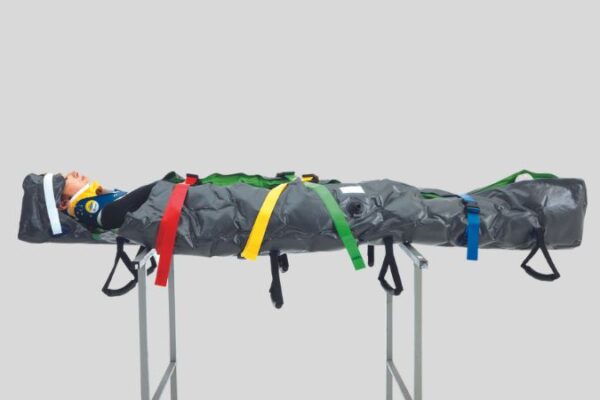
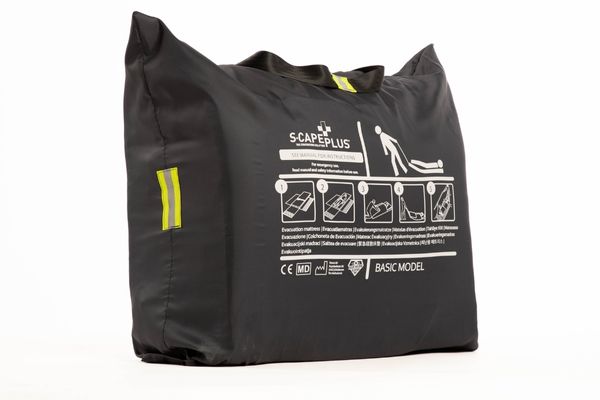
One option many teams have adopted is the Bodypod Transfer Mattress.

It moves differently from a mortuary cot. It bends where a cot resists. And in many challenging homes, it offers a noticeably softer way of working.
The final moments in a home deserve dignity
A family home is not a workspace. It holds memories, stories and a lifetime of meaning. Nothing there should be damaged, and nothing should feel abrupt or out of place. As removal professionals, we carry the responsibility to make these first moments as gentle and respectful as possible.
And choosing the right equipment is a crucial part of that. If you would like guidance or want to discuss options for your removal team, our product specialists are happy to help.
Phone: +31 40 298 99 55
Email: info@tetcon-ge.com