Patients or detainees living with extreme stress, addiction, confusion, psychosis, or fear can shift rapidly into an acute mental health crisis. In those moments, the risk of suicidal behaviour and impulsive self-injury increases, sometimes within minutes.
The challenge is that this mental state is not always measurable or visible. Someone may appear settled in the evening, yet deteriorate overnight. In mental health services, psychiatry, and correctional facilities, these peak moments often decide whether a situation stays controlled, or escalates.
During a crisis, additional protection can make the difference.
Yet many materials commonly used in care rooms, seclusion spaces, or cells were never designed to withstand intense stress, manipulation, or repeated tampering. Items intended to support comfort can become unsafe when a person is at their most vulnerable. And when materials tear, break, or are compromised, risk returns, exactly when you can least afford it.
That’s what you want to prevent. And what you’re expected to prevent.
That’s why many mental health and justice institutions choose anti-tear textiles: engineered specifically to resist tearing, tampering, and misuse, reducing opportunities for incidents.
This strengthens safety structurally, not only in seclusion rooms, but also in individual care rooms and standard cells. The result is an environment where risks are significantly reduced, even during the most severe mental health crises.
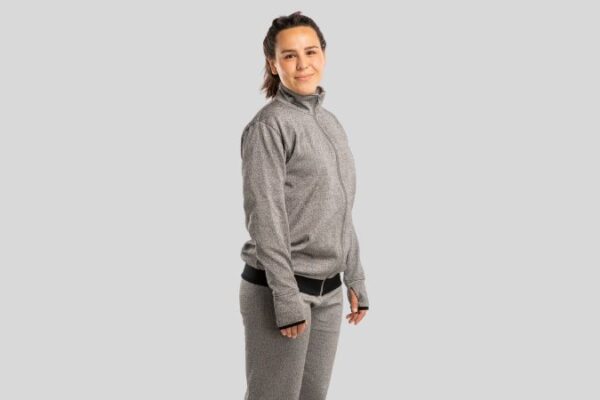
You can deploy tear resistant clothing, such as tear-resistant shirts, smocks and coordinated trousers. But also consider upgrading bedding to tear-resistant quality, including specialist blankets and pillows.
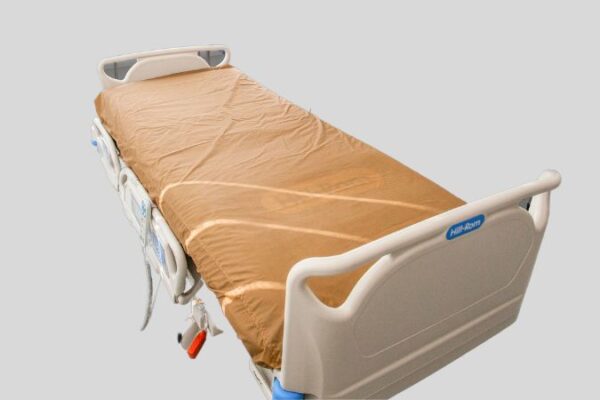
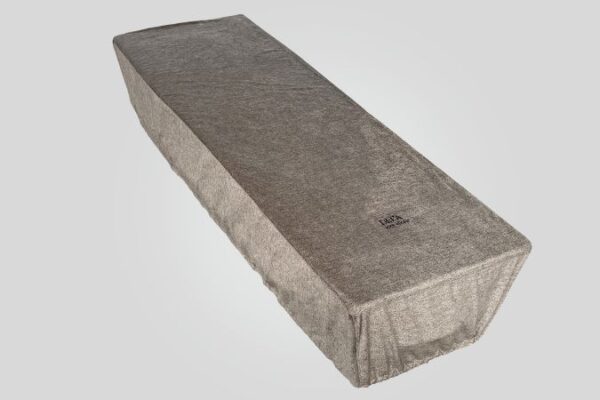
For a complete approach, combine textiles with tear resistant mattresses and anti-vandal soft furniture designed for intensive, high-risk use.